

Introduction
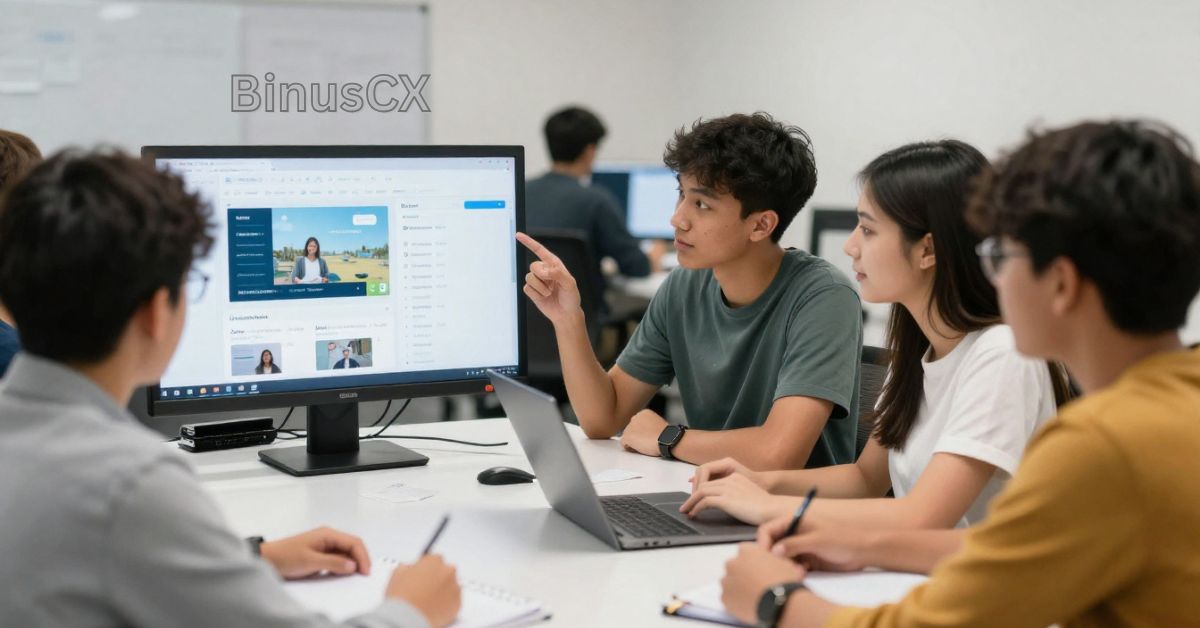
In today’s rapidly evolving world, traditional education alone isn’t enough. Students need innovative platforms that support real-world skills, interdisciplinary collaboration, and digital fluency. This is where BinusCX steps in, a future-forward digital learning ecosystem developed by Bina Nusantara University in Indonesia. Though designed in Southeast Asia, its approach is making waves in global education circles, especially among American educators and tech-savvy students seeking new learning paradigms.
BinusCX (Customer Experience for Binus) isn’t just another platform; it’s a digitally immersive, student-first learning experience that merges technology, skills-based learning, and personalized pathways to elevate student outcomes. It aligns seamlessly with the USA’s 2025 education trend toward microlearning, virtual collaboration, and outcome-based curriculum design. This article explores the full scope of it: its features, benefits, role in modern education, and why it’s swiftly gaining attention beyond Asia.
What is BinusCX?
BinusCX is a digital learning platform developed by BINUS University, designed to deliver an innovative, student-centric education experience. Rooted in the principles of experiential learning, it combines hybrid delivery methods, skill-based modules, and engaging user interfaces to help students succeed in today’s global economy.
Highlights
- The program was developed by BINUS University, a leading Indonesian institution recognized for its digital innovation in education.
- Focused on industry-integrated learning.
- Prioritizes real-world projects and digital fluency over rote assessment.
American students and institutions can appreciate BinusCX’s flexible learning paths and competency-based assessments that mirror modern pedagogical movements like project-based learning and design thinking.
Key Features of BinusCX
BinusCX sets itself apart through its offering of features designed with both students and future employers in mind.
Core Functionalities
| Feature | Description |
| Self-paced Modules | Allows learners to manage workloads independently |
| Capstone Projects & Cases | Encourages hands-on real-world problem solving |
| AI-Powered Progress Tracking | Monitors learner growth, suggesting improvements |
| Peer Collaboration Tools | Enables global team-based projects and feedback |
| Digital Portfolios | Tracks achievements for job-readiness |
| Integrated Career Coaching | Aligns learning paths with industry demands |
How it Enhances Digital Skills
In 2025, digital skills are non-negotiable. BinusCX’s skill-based learning journey focuses on practical, high-demand expertise, including:
In-Demand Skills Taught
- Coding & Data Analytics
- Visual Communication & UX/UI Basics
- Digital Marketing
- Business Intelligence Tools (Power BI, Tableau)
- Sustainability and Green Design Thinking
Each course is co-designed with industry experts, ensuring relevance and rigor. Students don’t just earn credits, they build portfolios that impress employers.
According to LinkedIn Learning’s 2025 Skills Survey, micro-credentials and digital fluency top hiring managers’ wish lists. It aligns perfectly with these needs.
Personalized Learning and Career Pathways
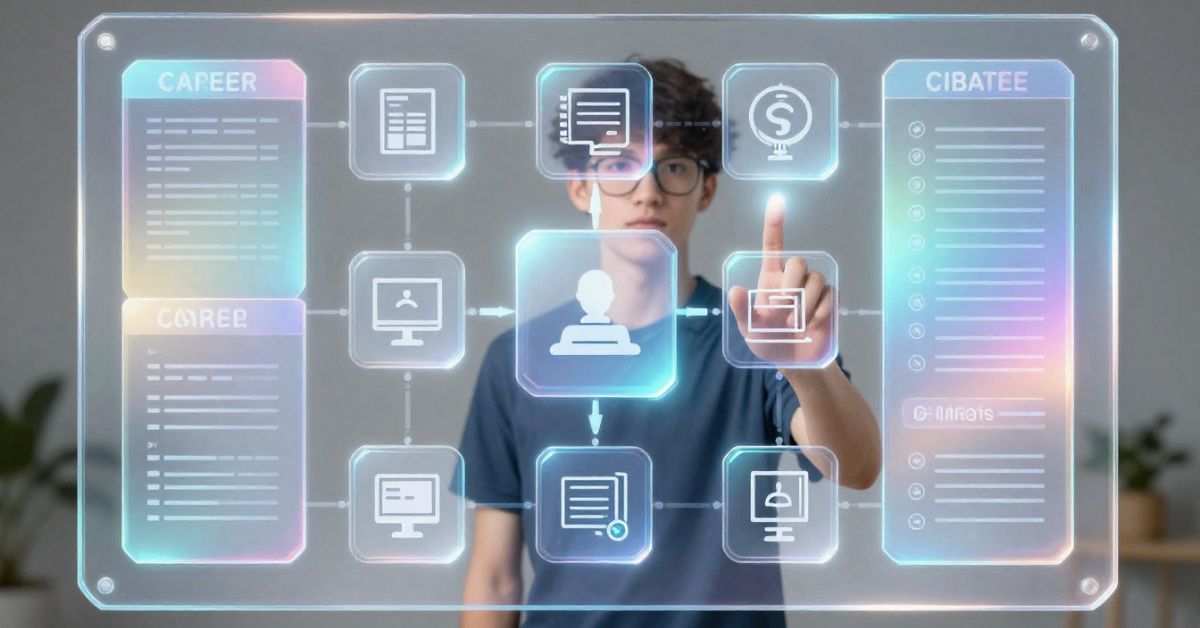
One of BinusCX’s most powerful strengths lies in its adaptive learning framework. The system learns from your progress and suggests new modules that align with chosen career goals.
Adaptive Learning Breakdown
| Student Profile Type | Suggested Learning Track |
| Aspiring Data Scientist | Python, Data Wrangling, BI Apps |
| Creative Marketer | Content Strategy, SEO, Canva UX |
| Social Innovator | Policy, Environmental Studies |
| Entrepreneurial Thinker | Startup Finance, Product Design |
This personalized design enhances engagement and helps students in both college and continuing education stay on track for career outcomes, not just academic milestones.
Collaboration & Peer Innovation Spaces
Education isn’t a solo journey. It features built-in collaborative ecosystems resembling Slack or Miro Boards, offering:
- Virtual team rooms
- Real-time whiteboarding features
- Peer review loops
- Group projects with international students
These gamified and interactive spaces promote cross-cultural competency, a vital skill as U.S. universities increasingly globalize curriculum.
Bonus Insight: Institutions adopting it have reported 27% higher student engagement in team-based activities.
Mobile Learning and Accessibility in the USA
For American students juggling part-time work, family, or hybrid schedules, BinusCX’s mobile-optimized platform is a game-changer.
Accessibility Features
- Offline download for rural or low-bandwidth zones
- Multilingual interface
- Voice-text input and screen-reader compatibility
- ADA/Mobile-WCAG 2.1 is compliant.
Compared with legacy systems used by most U.S. colleges, It feels refreshingly agile and mobile-first, a must-have in 2025’s mobile-led learning age.
Academic Integration and LMS Comparison
Many U.S. institutions use LMS, such as Blackboard or Canvas. How does it stack up?
LMS Feature Comparison
| Feature | BinusCX | Canvas | Blackboard |
| AI Analytics | ✔️ Advanced | ▶️ Basic | ▶️ Intermediate |
| Skills-based Progression | ✔️ Core Feature | ❌ | ❌ |
| Career Path Integration | ✔️ Optional Tracks | ❌ | ❌ |
| Portfolio Exports | ✔️ Visual CVs | Limited | Limited |
| Gamified User Interface | ✔️ | ❌ | ❌ |
While Canvas and Blackboard focus on grade-centric systems, it emphasizes real-world deliverables and progress-based growth.
Success Stories
If results matter, it delivers.
- Maya T., a UX designer now employed with a California startup, credits BinusCX’s design thinking module for landing her internship.
- Jordan P., transitioned from a business major to an AI product manager through BinusCX’s computing fundamentals track.
- Samantha R., a working parent, used the mobile learning features to earn her sustainability micro-credential.
Across thousands of users, It boasts a 90% satisfaction score (2025 User Experience Survey, BINUS Research Group), and 68% of learners report increased job confidence after certification.
Is BinusCX Right for the U.S. Students?
Absolutely, especially for
- Undergraduates in need of global exposure
- Working professionals are upskilling in tech-adjacent fields.
- High school seniors are preparing for future jobs.
- Institutions seeking LMS evolution and engagement-focused tools
What’s more, It complies with data protection standards similar to FERPA, making it safe for U.S.-based learners.
Future Outlook
Education in 2025 is no longer campus-bound. Platforms like it are the frontiers of lifelong learning, actively shaping what it means to be career-ready and digitally competent.
Upcoming features
- VR integration for immersive storytelling
- Blockchain digital certificate authentication
- Global Capstone Network for U.S.-Asia joint ventures
It proves that the future of education lies in agile, skill-oriented, and collaborative learning frameworks, exactly what American learners now increasingly demand.
FAQs
Is BinusCX available to students outside Southeast Asia?
Yes, it is accessible globally, including for U.S.-based students.
Does it offer certifications that are job-relevant?
Yes, their modules culminate in skill certificates and digital portfolios.
Is it mobile-friendly for on-the-go learning?
Absolutely. It’s mobile-optimized with offline capabilities.
Can it be integrated with U.S. college systems?
Yes, via LTI (Learning Tools Interoperability) and API support.
What makes it different from platforms like Coursera?
It blends facility-based and competency-based learning in a personalized academic environment, not just generic courses.
Conclusion
BinusCX represents a powerful shift in the way students learn, connect, and build real-world skills. Built with modern educational values and digital-first design, it’s an ideal platform for students in the U.S. who want more than just online lectures. It bridges the gap between academics and employability with rich engagement tools, career-centered pathways, and global collaboration opportunities.
As the world continues to digitize in 2025, American learners and institutions alike should explore tools like it for a competitive edge in both education and the workforce.
