


Introduction
In today’s hyper-connected digital world, we often assume that productivity depends entirely on a stable internet connection. But what happens when you’re traveling, working in remote areas, facing network outages, or simply trying to reduce distractions? That’s where Grollgoza Offline becomes a game-changer.
Grollgoza Offline lets you use important features of the platform without an internet connectionYou can get to saved info, make changes, and then reconnect to sync everything. This functionality ensures uninterrupted workflows, improved efficiency, and enhanced flexibility no matter where you are.
In this in-depth guide, we’ll explore how Grollgoza Offline works, its key features, practical benefits, comparisons with cloud-only tools, security aspects, and expert tips to maximize its potential. Whether you’re a tech enthusiast, remote worker, student, or enterprise user, this article will provide actionable insights to help you get the most out of offline functionality.
What Is Grollgoza Offline and Why It Matters
At its core, Grollgoza Offline is a technology feature that allows users to continue working without an active internet connection. Instead of depending entirely on cloud-based systems, it leverages local storage and synchronization protocols.
Why Offline Access Is Important Today
- Remote and rural work environments
- Air travel and commuting
- Unstable internet regions
- Reduced dependency on real-time cloud access
- Faster local processing speeds
Offline-first applications are becoming increasingly popular in the technology sector. According to research by Google Developers, offline-capable apps significantly improve user retention and engagement, especially in regions with inconsistent connectivity.
How Grollgoza Offline Works
- Stores critical data locally on your device
- Allows edits and updates without internet
- Uses background sync when connection resumes
- Resolves conflicts through smart sync algorithms
This approach follows modern offline-first architecture, a growing trend in software development. It ensures business continuity and reduces downtime risks.
Core Features of Grollgoza Offline
Understanding the features of Grollgoza Offline helps you leverage its full potential.
Key Capabilities
- Access to previously saved files and data
- Create and edit content offline
- Automatic synchronization upon reconnection
- Conflict detection and resolution
- Local caching for performance optimization
Smart Synchronization
When you reconnect:
- Changes are queued
- Files are verified
- Conflicts are highlighted
- Updates sync securely
This ensures that no data is lost, even during unexpected shutdowns.
Enhanced Performance
Working offline often feels faster because
- No latency delays
- No server-side wait times
- Local file access improves response speed.
For professionals handling documents, analytics dashboards, or project management tasks, this feature significantly improves productivity.
How Grollgoza Offline Improves Productivity
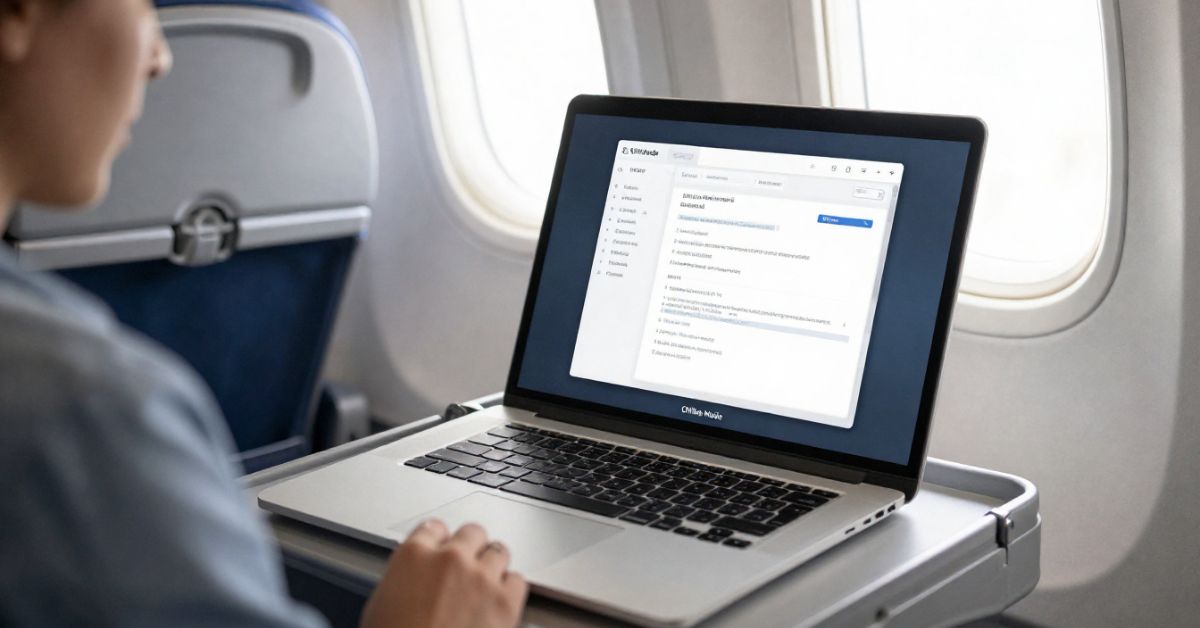
Offline access isn’t just about convenience, it’s about performance and efficiency.
Productivity Benefits
- Eliminates downtime caused by outages
- Reduces distractions from online notifications
- Ensures continuous workflow
- Enables real-time editing without lag
Real-World Example
Case Study: Remote Marketing Team
A distributed marketing team frequently traveled for client meetings. Internet availability was inconsistent. After implementing offline access:
| Metric | Before Offline Mode | After Offline Mode |
| Downtime per week | 6 hours | 1 hour |
| Missed updates | Frequent | Rare |
| Project delays | 3 per month | 0–1 per month |
The result? Improved collaboration and faster delivery cycles.
Grollgoza Offline vs Cloud-Only Platforms
Not all tools support offline functionality. Let’s compare.
Comparison Table
| Feature | Grollgoza Offline | Cloud-Only Platforms |
| Works without internet | ✅ Yes | ❌ No |
| Local data storage | ✅ Yes | ❌ Limited |
| Sync after reconnect | ✅ Automatic | ❌ Not applicable |
| Reduced latency | ✅ High | ⚠️ Depends on network |
| Data recovery options | ✅ Advanced | ⚠️ Server-dependent |
Why Offline Wins in Many Scenarios
- Better for fieldwork
- Ideal for travel
- Safer during outages
- Improved user autonomy
While cloud tools are powerful, combining cloud and offline functionality offers the best of both worlds.
Security and Data Protection in Offline Mode
A common concern is, “Is offline data safe?”
The short answer: Yes when implemented correctly.
Security Mechanisms
- Local encryption
- Secure sync protocols (HTTPS/TLS)
- Authentication checks during reconnection
- Controlled data caching
Conflict Resolution Safeguards
When two versions of a file differ:
- System detects discrepancies
- User receives notification
- Option to merge or overwrite
According to cybersecurity best practices recommended by organizations like NIST (National Institute of Standards and Technology), secure offline storage must use encrypted local databases which modern platforms increasingly implement.
Setting Up Grollgoza Offline: Step-by-Step Guide
Getting started is simple.
Setup Process
- Enable offline mode in settings
- Select files or projects for offline access
- Download data for local storage
- Verify offline readiness
Best Practices
- Sync fully before going offline
- Ensure device storage is sufficient
- Regularly reconnect to avoid version conflicts
Troubleshooting Tips
- Restart app if sync stalls
- Clear local cache if errors occur
- Check storage permissions
Proper setup ensures a seamless experience and prevents unexpected data inconsistencies.
Use Cases Across Industries
Offline capability isn’t limited to one sector.
Industry Applications
- Healthcare: Access patient data in low-network zones
- Construction: Update project plans onsite
- Education: Students study without the internet.
- Sales Teams: Access client reports while traveling
- Agriculture: Field data recording
Example
A construction company used offline functionality to:
- Access blueprints onsite
- Record inspection notes
- Sync updates at headquarters later
This reduced miscommunication by 40% and improved compliance documentation.
Technical Architecture Behind Offline Functionality
Behind the scenes, sophisticated technology powers Grollgoza Offline.
Core Technologies
- Local databases (IndexedDB or SQLite)
- Service workers
- Background sync APIs
- Caching strategies
Offline-First Architecture Principles
- Data stored locally first
- Cloud acts as backup
- Sync resolves discrepancies
Developers designing offline-ready apps follow progressive web app (PWA) principles recommended by Google Developers.
This ensures:
- Reliability
- Speed
- Resilience
Common Challenges and How to Overcome Them
No system is perfect. Here are potential issues and solutions.
Common Problems
- Sync conflicts
- Storage limitations
- Outdated local data
- User forgets to reconnect
Solutions
- Regular syncing schedule
- Clear unnecessary offline files
- Enable sync reminders
- Monitor version history
By adopting proactive management strategies, users can avoid most offline-related issues.
Future of Offline Technology and Grollgoza Offline
Offline functionality is not a temporary trend, it’s the future of resilient digital systems.
Emerging Trends
- AI-assisted conflict resolution
- Smarter predictive caching
- Hybrid cloud-edge computing
- Enhanced encryption standards
As global internet infrastructure improves, paradoxically, offline-first design remains crucial. It ensures digital independence and user control. Platforms that integrate intelligent offline capabilities will likely dominate future markets.
FAQs
What is Grollgoza Offline used for?
It allows users to access saved data, edit files, and sync updates later without needing an internet connection.
Does Grollgoza Offline automatically sync changes?
Yes. Once you reconnect to the internet, sync automatically using secure protocols.
Is data safe when stored offline?
Yes, provided encryption and secure authentication measures are in place.
Can I choose which files are available offline?
Typically, users can select specific projects or documents for offline access.
What happens if two users edit the same file offline?
The system detects conflicts and provides options to merge or choose a preferred version.
Conclusion
In an increasingly digital yet unpredictable world, Grollgoza Offline offers reliability, flexibility, and performance without constant internet dependence. From enabling remote productivity to enhancing security and reducing downtime, its offline-first approach aligns perfectly with modern technological needs.
We explored its features, industry applications, security protocols, comparisons with cloud-only platforms, and future potential. The key takeaway? Offline capability is no longer optional, it’s essential for resilient digital workflows.
If you value uninterrupted productivity, improved performance, and smarter data management, exploring offline-enabled platforms like this could significantly transform your work experience.
