

Introduction
In today’s fast-changing financial landscape, managing money wisely is no longer optional, it’s essential. Rising living costs, economic uncertainty, and growing interest in sustainable investing have pushed individuals to rethink how they earn, save, and invest. This is where BetterThisWorld Money stands out.
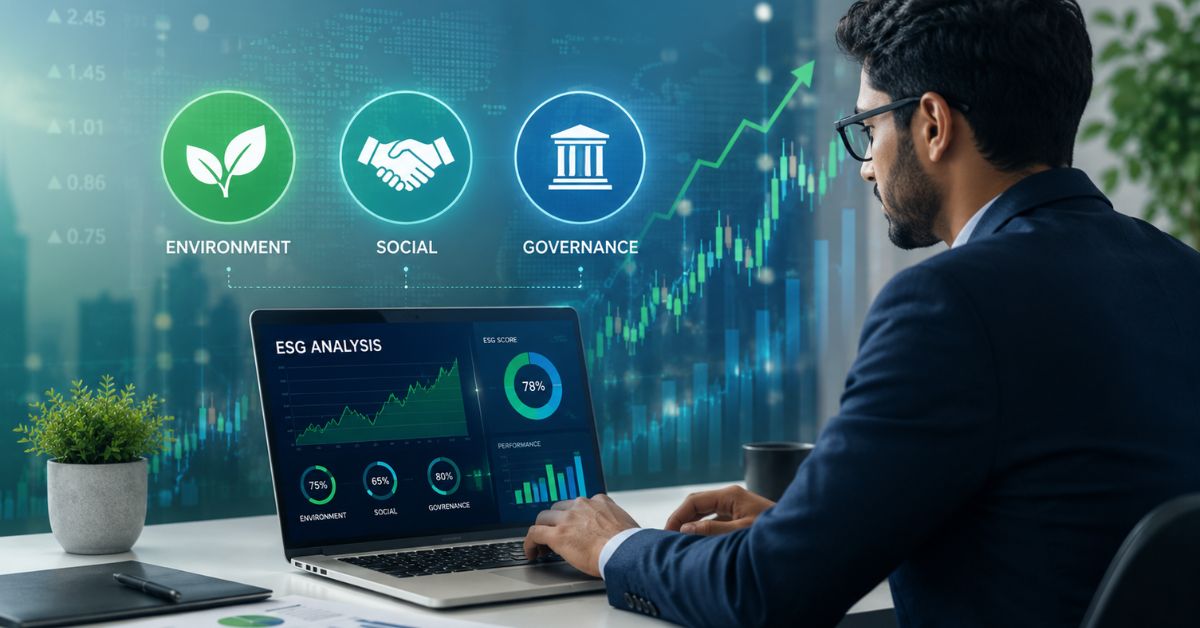
BetterThisWorld Money is a dedicated financial content vertical on BetterThisWorld com, focusing on personal finance, wealth building, and Environmental, Social, and Governance (ESG) investing strategies. It combines practical money management advice with forward-thinking sustainable investment insights—helping readers grow their wealth while aligning their finances with their values.
Whether you’re trying to build an emergency fund, eliminate debt, invest in ESG funds, or create passive income streams, this comprehensive guide will walk you through proven strategies. By the end of this article, you’ll understand how to apply smarter financial habits, evaluate ethical investment opportunities, and build long-term financial security responsibly and sustainably.
What Is BetterThisWorld Money and Why It Matters
BetterThisWorld Money represents a modern approach to personal finance. It’s not just about accumulating wealth, it’s about building financial independence while contributing to a better world. At its core, it combines traditional money management principles with socially responsible investing.
Key Features of BetterThisWorld Money
- Focus on financial literacy and practical budgeting
- Emphasis on long-term wealth-building strategies
- Integration of ESG (Environmental, Social, Governance) investing
- Education on passive income and diversified portfolios
- Alignment of financial goals with personal values
Unlike traditional finance platforms that prioritize returns above all else, this approach recognizes that investors increasingly care about sustainability, corporate ethics, and social impact.
For example
- Investors now consider carbon footprints before buying stocks.
- Millennials and Gen Z favor ESG-focused mutual funds.
- Companies with strong governance often outperform over time.
BetterThisWorld Money matters because it bridges the gap between profit and purpose. It empowers readers to make informed decisions that benefit both their financial future and the broader global community.
Building a Strong Personal Finance Foundation
Every successful financial journey begins with a strong foundation. Without disciplined money management, even the best investments won’t create lasting wealth.
A solid financial base includes:
- Clear budgeting systems
- Emergency savings
- Smart debt management
- Consistent saving habits
The 50/30/20 Rule Example
| Category | Allocation | Purpose |
| Needs | 50% | Rent, groceries, utilities |
| Wants | 30% | Entertainment, travel |
| Savings/Investments | 20% | Retirement, emergency fund |
Core Personal Finance Steps:
- Track expenses monthly using apps like Mint or YNAB
- Build an emergency fund covering 3–6 months of expenses
- Pay high-interest debt first (credit cards above 15%)
- Automate savings contributions
According to the Federal Reserve, nearly 37% of Americans would struggle to cover a $400 emergency. That statistic highlights why foundational financial habits are crucial. BetterThisWorld Money encourages proactive planning helping readers move from financial stress to financial control.
Wealth-Building Strategies That Actually Work
Wealth building is not about shortcuts, it’s about consistency and smart strategy. Long-term wealth grows from disciplined investing, compound interest, and diversified income streams.
Core Wealth-Building Principles
- Invest early to maximize compound growth
- Diversify across stocks, bonds, and alternative assets
- Reinvest dividends
- Avoid emotional investing decisions
Compound Interest Example:
If you invest $500 per month at a 7% annual return:
- After 10 years: ~$86,000
- After 20 years: ~$260,000
- After 30 years: ~$610,000
That’s the power of consistency.
BetterThisWorld Money promotes evidence-based strategies such as the following:
- Low-cost index fund investing
- Dollar-cost averaging
- Long-term portfolio rebalancing
Studies from Vanguard show that asset allocation determines over 80% of portfolio returns’ variability meaning strategy matters more than stock picking. The takeaway? Sustainable wealth comes from patience, discipline, and diversification.
Understanding ESG Investing and Its Impact
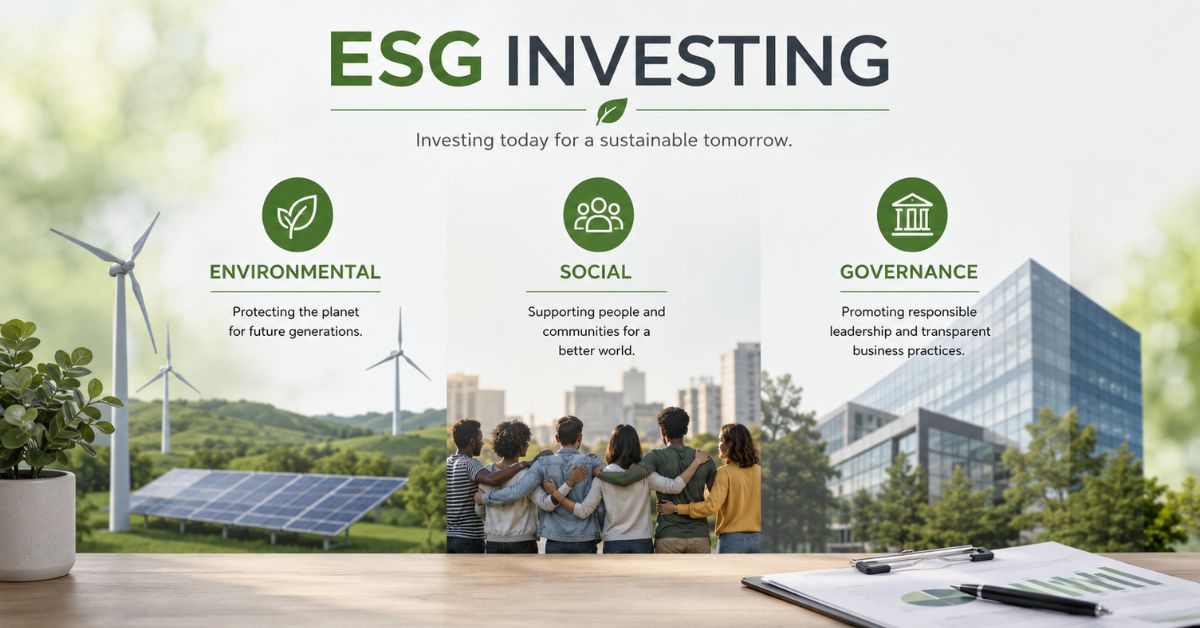
Environmental, Social, and Governance (ESG) investing evaluates companies beyond profits.
It considers:
- Environmental practices (carbon emissions, sustainability)
- Social responsibility (labor practices, diversity)
- Governance standards (leadership ethics, transparency)
ESG vs Traditional Investing
| Criteria | Traditional Investing | ESG Investing |
| Primary Goal | Financial returns | Returns + ethical impact |
| Evaluation | Financial metrics | Financial + sustainability metrics |
| Risk View | Market risk | Market + reputational risk |
Research from Morgan Stanley suggests sustainable funds have comparable—and sometimes better risk-adjusted returns than traditional funds.
Benefits of ESG Investing:
- Encourages responsible corporate behavior
- Aligns investments with personal values
- Reduces exposure to regulatory risks
- Appeals to future-focused industries
BetterThisWorld Money integrates ESG strategies to help investors pursue both profit and positive global impact.
Passive Income Streams for Financial Independence
Financial freedom often requires multiple income sources. Passive income allows your money to work for you.
Common Passive Income Options
- Dividend-paying stocks
- Real estate rentals
- REITs (Real Estate Investment Trusts)
- Online digital products
- Peer-to-peer lending
Example Case Study:
Sarah invested $50,000 into dividend ETFs averaging 4% yield.
- Annual dividend income: $2,000
- Reinvested dividends increased portfolio value.
- After 15 years, the portfolio doubled through growth + reinvestment.
Passive income reduces dependence on a single paycheck and accelerates wealth accumulation. BetterThisWorld Money promotes diversified passive strategies to enhance stability and growth.
Risk Management and Portfolio Diversification
No investment strategy is complete without risk management. Diversification reduces exposure to volatility.
Smart Diversification Includes
- Domestic and international stocks
- Bonds for stability
- ESG-focused funds
- Alternative assets (real estate, commodities)
Risk Management Tips:
- Rebalance portfolio annually
- Avoid overconcentration in one sector
- Use tax-advantaged accounts (IRA, 401(k))
- Maintain appropriate asset allocation by age
For example:
- 25-year-old: 80% stocks / 20% bonds
- 55-year-old: 60% stocks / 40% bonds
BetterThisWorld Money emphasizes balancing growth with security to protect long-term gains.
Financial Mindset and Behavioral Finance
Money decisions are emotional.
Behavioral finance shows investors often:
- Panic during market downturns
- Chase high-performing stocks
- Sell too early
Common Biases
- Loss aversion
- Herd mentality
- Overconfidence
BetterThisWorld Money encourages:
- Long-term perspective
- Automated investing
- Avoiding market timing
Studies from DALBAR show average investors underperform the market due to emotional decisions. Developing discipline is as important as choosing the right investments.
Retirement Planning the Smart Way
Retirement planning should begin early.
Key components include
- Employer-sponsored retirement plans
- Roth or Traditional IRA
- Social Security planning
- Healthcare cost preparation
Retirement Savings Benchmarks
- By 30: 1x annual salary
- By 40: 3x salary
- By 60: 8–10x salary
BetterThisWorld Money integrates ESG retirement funds for sustainable long-term growth. Starting early significantly reduces the monthly contribution needed to reach retirement goals.
Real-Life Case Study: Sustainable Wealth Growth
Case Study: Mark & Lisa
- Age: 35
- Income: $120,000 combined
- Strategy: 60% index funds, 20% ESG ETFs, 10% REITs, 10% bonds
- Monthly Investment: $1,500
After 15 years (7% average return):
- Portfolio Value: ~$475,000
- Passive Income from dividends: ~$12,000 annually
They aligned investments with clean energy and ethical companies while building financial security. This balanced approach reflects the BetterThisWorld Money philosophy.
The Future of BetterThisWorld Money and Sustainable Finance
Sustainable finance is growing rapidly. According to the Global Sustainable Investment Alliance, ESG assets now exceed $30 trillion globally.
Trends shaping the future:
- Climate-focused ETFs
- Green bonds
- Impact investing
- AI-driven ESG analysis
Financial literacy and responsible investing are no longer separate; they are interconnected. BetterThisWorld Money prepares readers for this evolving landscape by combining education, strategy, and ethics.
FAQs
Is ESG investing less profitable than traditional investing?
Not necessarily. Many ESG funds have shown competitive returns while reducing long-term risk exposure.
How do I start with BetterThisWorld Money strategies?
Begin with budgeting, eliminate high-interest debt, and invest consistently in diversified portfolios.
What is the minimum amount needed to start investing?
You can start with as little as $50 using fractional shares or ETFs.
Are ESG funds safe?
Like all investments, they carry risk. However, diversified ESG funds can reduce sector-specific risks.
How often should I review my portfolio?
At least once per year or during major life changes.
Conclusion
BetterThisWorld Money represents a holistic, forward-thinking approach to finance. It combines foundational personal finance strategies with advanced wealth-building techniques and ESG investing principles.
By focusing on budgeting, disciplined investing, diversification, and sustainable financial practices, individuals can build long-term wealth without compromising their values.
