
Introduction
In today’s fast-paced digital economy, managing a global workforce requires more than spreadsheets and manual time tracking. Companies operating across time zones, shifts, and hybrid environments need intelligent systems that ensure accuracy, efficiency, and compliance. That’s where Timewarp TaskUs comes in.
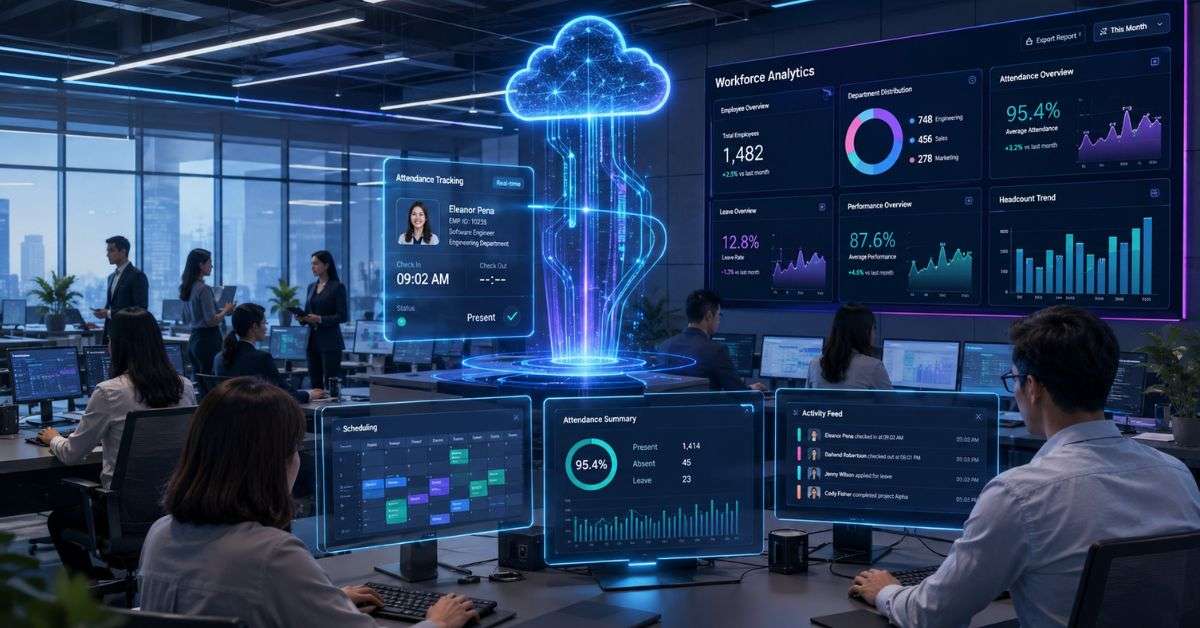
TimeWarp is the cloud-based workforce management and attendance tracking software utilized internally by TaskUs, a global outsourcing and customer experience company. Built to handle dynamic staffing needs, real-time attendance monitoring, and performance optimization, this platform plays a crucial role in aligning human capital with operational goals.
This article provides a comprehensive look at how Timewarp TaskUs works, why it matters in the technology space, and how it supports modern workforce strategies. Whether you’re an HR professional, operations leader, or tech enthusiast, you’ll gain valuable insights into how advanced workforce management tools are transforming the future of work.
What Are Timewarp TaskUs?
Timewarp TaskUs is a cloud-based workforce management (WFM) and attendance tracking system designed to support TaskUs’ global operations. In technology-driven service environments, workforce visibility is essential and this tool helps ensure that the right people are in the right place at the right time.
Unlike traditional punch-in systems, TimeWarp integrates scheduling, attendance logging, and performance tracking into a centralized platform. It enables managers to oversee workforce data in real time while empowering employees with transparent access to their schedules and attendance records.
Key Features of Timewarp TaskUs
- Cloud-based architecture accessible across locations
- Real-time attendance and timekeeping
- Shift scheduling and workforce forecasting
- Leave management and absence tracking
- Compliance monitoring and reporting tools
- Integration with HR and payroll systems
From a technological standpoint, TimeWarp represents the shift toward digital workforce intelligence. It leverages data analytics and automation to reduce manual intervention, minimize errors, and improve operational accuracy.
In a company like TaskUs where thousands of employees work across global delivery centers—such a system ensures consistent reporting standards and scalable workforce coordination. The result is improved efficiency, reduced scheduling conflicts, and enhanced accountability.
How Timewarp TaskUs Supports Modern Workforce Management
Modern workforce management goes beyond attendance tracking. It requires predictive scheduling, performance insights, and data-driven decision-making. Timewarp TaskUs plays a strategic role in achieving these goals.
In technology-enabled environments, agility is critical. Customer support volumes fluctuate, campaigns scale quickly, and remote work is common. TimeWarp addresses these challenges through automation and analytics.
Ways It Supports Workforce Operations
- Forecasts staffing needs based on historical data
- Optimizes shift allocation to meet demand
- Tracks punctuality and attendance trends
- Generates compliance reports for labor laws
- Reduces manual scheduling errors
For example, when customer service demand increases during peak seasons, managers can use workforce analytics to adjust staffing levels proactively. This ensures service-level agreements (SLAs) are maintained without overstaffing.
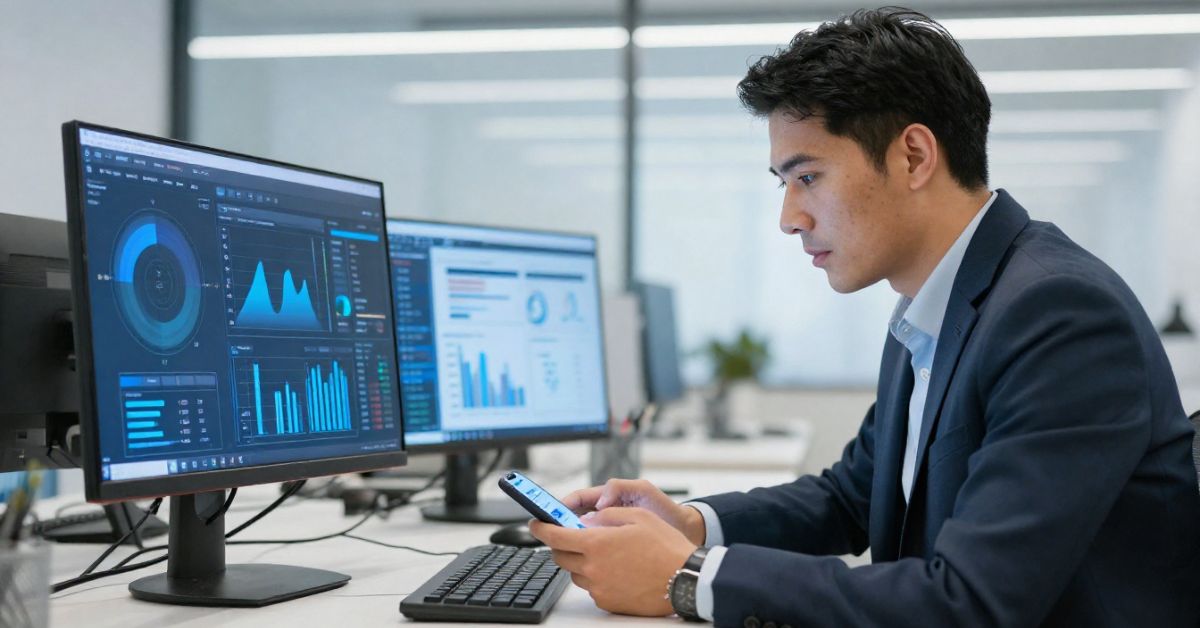
Additionally, cloud-based workforce systems reduce administrative burden. Instead of relying on spreadsheets, managers can access dashboards showing attendance metrics, late logins, overtime hours, and leave balances in one place.
By aligning workforce capacity with business demand, Timewarp TaskUs enhances both operational performance and employee experience, two critical pillars in the technology services sector.
Core Features and Functional Capabilities
Understanding the technical capabilities of Timewarp TaskUs helps highlight why it is integral to TaskUs’ internal operations. It combines several workforce management functions into a unified digital ecosystem.
Core Functional Modules
- Attendance Tracking: Real-time clock-ins and clock-outs
- Shift Scheduling: Automated schedule creation
- Leave Management: Paid time off and absence requests
- Reporting & Analytics: Customizable dashboards
- Compliance Controls: Labor law adherence monitoring
These modules work together to create an intelligent workflow system. For example:
| Feature | Function | Business Impact |
| Real-Time Tracking | Logs attendance instantly | Reduces time fraud |
| Automated Scheduling | Assigns shifts efficiently | Improves resource allocation |
| Data Analytics | Provides workforce insights | Supports strategic decisions |
| Leave Integration | Tracks absences accurately | Minimizes staffing gaps |
This integrated approach ensures operational transparency. Managers gain access to actionable insights rather than static data.
Additionally, scalability is a core strength. As organizations grow, workforce tools must adapt. Cloud-based solutions like TimeWarp can handle expanding headcounts without infrastructure overhauls, making them future-ready technologies.
Benefits for Employees and Managers
Technology adoption succeeds when it benefits both leadership and employees. Timewarp TaskUs enhance transparency, fairness, and efficiency across organizational levels.
For Managers
- Clear visibility into attendance trends
- Data-driven scheduling decisions
- Reduced administrative workload
- Improved compliance tracking
- Better performance oversight
For Employees
- Transparent access to schedules
- Easy leave request submissions
- Clear attendance records
- Reduced payroll discrepancies
- Enhanced work-life balance planning
In a digital workplace, trust and accountability are vital. When employees can see their schedules and attendance logs in real time, misunderstandings decrease.
Managers also benefit from automation. Instead of manually resolving timesheet disputes, they can reference system-generated reports. This reduces conflict and increases productivity. Ultimately, Timewarp TaskUs acts as a bridge between operational efficiency and employee satisfaction, an essential combination in technology-driven service industries.
Comparison With Traditional Workforce Systems
Traditional workforce management tools often rely on manual entries or isolated systems. Timewarp TaskUs represents a significant technological evolution.
Here’s how it compares
| Criteria | Traditional Systems | Timewarp TaskUs |
| Accessibility | On-premise | Cloud-based |
| Real-Time Data | Limited | Instant updates |
| Automation | Minimal | Advanced scheduling automation |
| Integration | Standalone | HR & payroll integration |
| Scalability | Limited | Highly scalable |
Traditional systems may suffice for small teams, but global operations require advanced coordination. Cloud-based workforce software provides flexibility, mobility, and centralized control.
By leveraging modern cloud computing principles similar to platforms discussed by Gartner’s workforce technology research TimeWarp aligns with digital transformation trends shaping enterprise operations.
Data-Driven Decision Making and Analytics
In the technology sector, data is everything. Workforce analytics provide insights that drive smarter decisions.
Timewarp TaskUs supports the following
- Attendance pattern analysis
- Overtime tracking
- Productivity correlations
- Workforce forecasting
- Absenteeism trend reports
For example, if analytics reveal increased absenteeism during certain shifts, managers can investigate root causes whether scheduling conflicts or workload imbalance.
Case Study Example
A global delivery team noticed recurring overtime spikes. Using workforce analytics dashboards, managers identified scheduling inefficiencies and redistributed shifts. Result:
- 15% reduction in overtime costs
- Improved employee satisfaction scores
- Better SLA compliance
Data transforms workforce management from reactive to proactive. This predictive capability is essential in high-volume tech environments.
Security, Compliance, and Data Protection
Handling workforce data requires strict security protocols. Timewarp TaskUs leverages cloud security measures to safeguard sensitive employee information.
Security Highlights
- Role-based access control
- Encrypted data storage
- Audit trails for attendance edits
- Compliance with labor regulations
- Secure cloud hosting environments
According to cybersecurity guidelines from organizations like ISO and NIST, role-based access and encryption are critical components of secure workforce systems.
Compliance is equally important. Automated reporting helps ensure adherence to regional labor laws, overtime rules, and payroll accuracy. In a global company environment, this reduces legal risk and builds organizational trust.
Integration With HR and Payroll Systems
One of the strongest technological advantages of Timewarp TaskUs is integration capability.
Disconnected systems create inefficiencies. When workforce software syncs with payroll and HR databases, data consistency improves dramatically.
Integration Benefits
- Automatic payroll calculations
- Reduced manual data entry
- Accurate overtime payments
- Seamless leave balance updates
- Centralized employee records
For example, attendance logs feed directly into payroll processing, reducing calculation errors. This interconnected ecosystem reflects the broader trend of enterprise digital transformation where software platforms communicate seamlessly to improve workflow efficiency.
Scalability in a Global Technology Environment
TaskUs operates globally, which requires scalable workforce infrastructure. Timewarp TaskUs is built to support distributed teams across multiple regions.
Scalability features include
- Multi-location support
- Time zone synchronization
- Custom scheduling rules
- Localization for regional compliance
- Cloud-based remote access
In hybrid and remote work environments, cloud systems ensure continuous accessibility.
As businesses expand into new markets, workforce systems must adapt quickly. Cloud-native architecture allows organizations to onboard new teams without costly hardware investments. This flexibility is critical in technology-driven industries where growth and change are constant.
The Future of Workforce Management Technology
Workforce management is evolving alongside artificial intelligence, automation, and predictive analytics. Systems like Timewarp TaskUs represent the foundation for next-generation workforce innovation.
Emerging trends include
- AI-powered scheduling optimization
- Predictive absenteeism modeling
- Mobile-first workforce apps
- Real-time performance dashboards
- Deeper integration with collaboration tools
As workforce technology advances, platforms will likely incorporate machine learning to forecast staffing needs with even greater precision.
The future points toward intelligent ecosystems where workforce tools connect seamlessly with productivity platforms, HR systems, and analytics engines. Timewarp TaskUs reflects this digital transformation journey—demonstrating how cloud-based workforce systems can enhance operational resilience and employee engagement simultaneously.
FAQs
What are Timewarp TaskUs used for?
Timewarp TaskUs is a cloud-based workforce management and attendance tracking system used internally by TaskUs to manage scheduling, attendance, compliance, and workforce analytics.
Is TimeWarp accessible remotely?
Yes. As a cloud-based system, it supports remote access, enabling managers and authorized employees to view schedules and attendance records from different locations.
How does Timewarp improve workforce efficiency?
It automates scheduling, provides real-time attendance data, integrates with payroll systems, and offers analytics that help managers make informed staffing decisions.
Does Timewarp TaskUs ensure compliance with labor laws?
The system includes reporting and monitoring tools designed to support compliance with labor regulations and overtime policies.
How is it different from traditional time-tracking systems?
Unlike manual or on-premise systems, TimeWarp offers cloud-based access, automation, real-time updates, analytics dashboards, and seamless integration with HR platforms.
Conclusion
Timewarp TaskUs stands as a powerful example of how cloud-based workforce management technology can transform organizational efficiency. By combining attendance tracking, scheduling automation, compliance monitoring, and data analytics, it enables smarter decision-making and improved employee experience.
Manual systems just can’t keep up with global operations and changing needs of the workforce in today’s tech-driven workplace. Tools like TimeWarp help bridge the gap between operational demand and human resource capacity.
As digital transformation continues reshaping enterprise environments, workforce management systems will only become more intelligent and integrated. Organizations that adopt data-driven tools position themselves for sustainable growth, stronger compliance, and enhanced workforce engagement.
