

Introduction
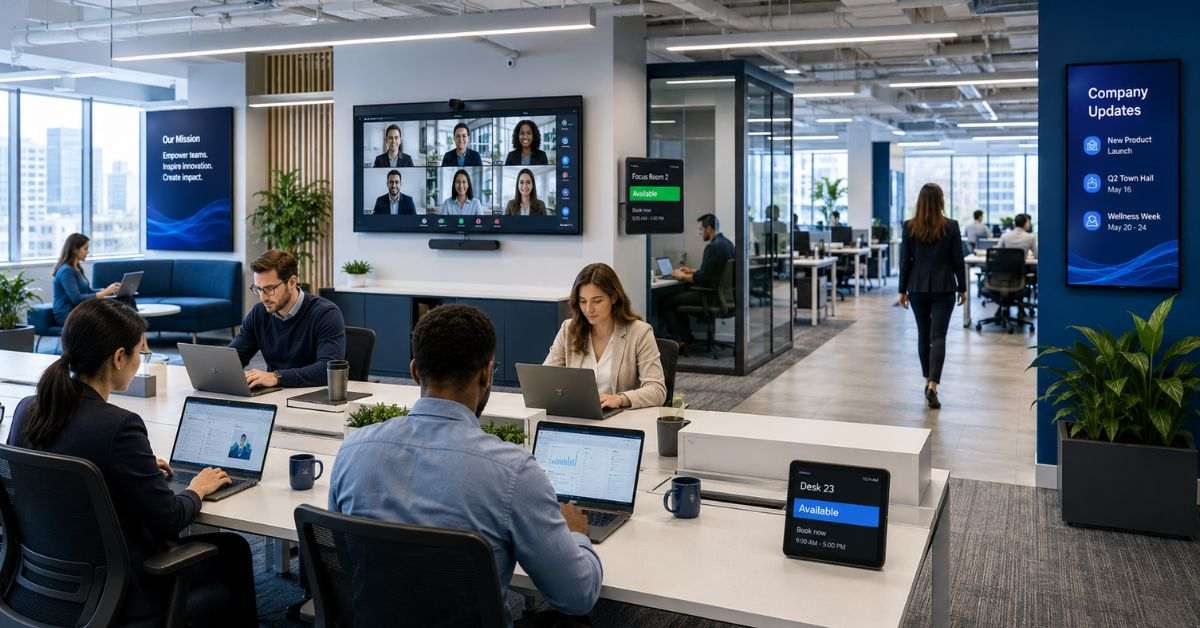
The workplace has changed more in the past five years than in the previous fifty. Hybrid work models where employees divide time between home and office have become the norm across industries. While this flexibility offers many benefits, it also introduces new operational challenges. Teams struggle with coordination, offices experience poor desk utilisation, and communication gaps reduce productivity.
This situation is where Ewmagwork plays a transformative role. It is a structured workplace management framework designed to optimize hybrid team coordination, desk allocation, and communication. Instead of relying on disconnected tools and manual processes, organisations can use Ewmagwork to create a centralised, intelligent system that aligns people, technology, and space.
In this comprehensive guide, you will discover how It works, why it is essential in today’s technology-driven environment, and how it can help businesses reduce operational inefficiencies while improving employee experience. Whether you are an HR leader, IT manager, or company executive, this article will provide actionable insights to implement Ewmagwork successfully in your organisation.
Understanding Ewmagwork and Its Importance
Hybrid work demands structure and clarity. Ewmagwork offers a systematic approach to managing workplace operations efficiently.
At its foundation, It integrates workspace scheduling, communication systems, and analytics into one cohesive framework. Rather than treating desk booking or coordination as separate functions, it connects them under a unified strategy.
Why Structured Workplace Management Matters
- 70%+ companies now operate in hybrid models (Gartner).
- Office real estate remains one of the highest operational costs.
- Lack of coordination reduces productivity and employee satisfaction.
Core Capabilities
- Centralised scheduling tools
- Automated desk allocation
- Integrated communication workflows
- Data-driven performance insights
Without structured systems, organisations face the following:
- Double-booked meeting rooms
- Underutilised office space
- Communication silos
By implementing Ewmagwork, companies move from reactive management to proactive optimisation. This shift is crucial in today’s digital-first technology landscape.
Core Pillars of Ewmagwork Framework
The strength of Ewmagwork lies in its four foundational pillars. Each pillar addresses a major operational challenge in hybrid workplaces.
Coordination
Hybrid teams require synchronised schedules.
- Shared digital calendars
- Real-time availability tracking
- Automated team presence planning
Allocation
Smart resource distribution improves efficiency.
- Desk booking systems
- Meeting room management
- Workspace capacity tracking
Communication
Clear communication enhances collaboration.
- Central announcement dashboards
- Workflow notifications
- Chat and video integration
Analytics
Data enables informed decision-making.
- Occupancy reports
- Usage trend analysis
- Predictive planning tools
These pillars work together seamlessly. For example, when employees reserve desks, analytics track usage patterns and suggest improvements. Managers can then adjust policies accordingly. This structured integration makes It more than just software, it is a workplace optimisation strategy.
Optimising Hybrid Team Coordination
Hybrid coordination often fails due to lack of visibility. Employees may not know when teammates are in the office, causing missed collaboration opportunities. It centralises coordination to eliminate confusion.
Key Coordination Features
- Smart in-office day recommendations
- Cross-department calendar syncing
- Timezone-aware scheduling
- Automated reminders
Real-World Example
A 150-person marketing agency struggled with inconsistent attendance. After implementing Ewmagwork:
- Teams aligned in-office days.
- Meeting conflicts reduced significantly.
- Collaboration increased by 22%.
Benefits of Improved Coordination
- Stronger teamwork
- Faster decision-making
- Reduced scheduling conflicts
- Higher engagement levels
Research from Harvard Business Review confirms that structured coordination systems significantly improve team efficiency. By using It, organisations can maintain flexibility without sacrificing productivity.
Smart Desk Allocation and Space Utilisation
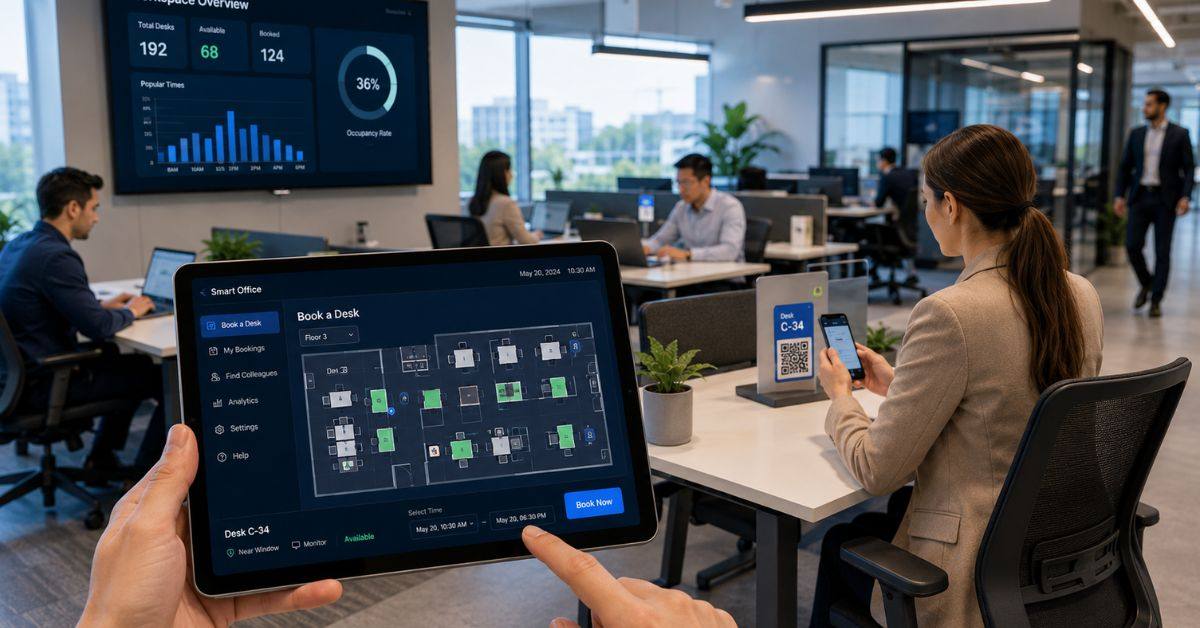
Office space management is critical in hybrid environments. Many companies pay for more space than they actually use. It provides intelligent desk allocation tools that maximise office efficiency.
Features include
- Hot desk booking
- Reserved desk assignments
- Real-time occupancy tracking
- Conflict resolution alerts
Comparison Table
| Feature | Traditional System | Ewmagwork Framework |
| Desk Booking | Manual spreadsheets | Automated digital platform |
| Space Analytics | Limited | Real-time dashboards |
| Conflict Handling | Manual | Instant notifications |
| Reporting | Basic | Advanced analytics |
Key Advantages
- 25–35% improved space utilisation
- Reduced administrative workload
- Enhanced employee autonomy
With structured allocation, businesses can reduce unnecessary real estate costs while maintaining flexibility.
Enhancing Workplace Communication
Communication gaps are common in hybrid teams. Employees often rely on multiple disconnected platforms. It integrates communication directly into workplace workflows.
Communication Tools
- Integrated messaging systems
- Announcement dashboards
- Automated alerts
- Video conferencing integration
Benefits
- Reduced email overload
- Faster information sharing
- Improved transparency
- Better cross-team visibility
According to McKinsey, effective communication increases productivity by up to 25%. By centralising communication within operational workflows, organisations can ensure clarity and accountability. The communication module within Ewmagwork eliminates fragmentation and enhances collaboration.
Data-Driven Workplace Intelligence
Modern workplace management requires actionable data. Guesswork is no longer effective. It includes advanced analytics tools that provide detailed insights.
Analytics Dashboard Highlights
- Peak occupancy hours
- Department attendance trends
- Resource demand forecasting
- Space optimisation recommendations
Data Comparison Example
| Metric | Before Implementation | After Implementation |
| Desk Utilization | 55% | 82% |
| Scheduling Conflicts | Frequent | Reduced by 40% |
| Meeting Room Overlaps | High | Minimal |
Why Analytics Matter
- Supports cost reduction strategies
- Enables predictive planning
- Improves employee experience
By leveraging workplace intelligence, companies using Ewmagwork can continuously refine their hybrid strategies.
Security and Compliance Standards
Workplace management systems must prioritise security and data protection.
Ewmagwork aligns with industry standards such as the following:
- GDPR compliance
- ISO 27001 certification
- SOC 2 requirements
Security Features
- Encrypted data transmission
- Role-based access controls
- Audit trails
- Multi-factor authentication
These safeguards ensure employee data remains protected while maintaining operational transparency. Trust is essential in digital transformation, and structured frameworks must uphold strong security practices.
Case Studies: Measurable Results
Case Study 1: Technology Startup
Challenge: Rapid hybrid adoption created coordination confusion.
Solution: Implemented full workplace framework.
Results:
- 30% better desk utilisation
- 45% reduction in booking conflicts
- Higher employee satisfaction
Case Study 2: Enterprise Firm
Challenge: Multiple global offices lacked synchronisation.
Solution: Adopted new Ewmagwork across departments.
Results:
- 20% reduction in operational costs
- Improved global team alignment
- Streamlined reporting processes
These examples demonstrate how structured management systems generate measurable impact.
Implementing Ewmagwork Successfully
Adoption requires planning and change management.
Step-by-Step Approach
- Conduct a workplace audit
- Identify coordination gaps
- Define hybrid work policies
- Pilot with select teams
- Collect feedback and optimise
Best Practices
- Train managers thoroughly
- Set measurable KPIs
- Integrate with HR and IT systems
- Communicate changes transparently
When implemented strategically, It becomes a long-term operational asset rather than a short-term solution.
The Future of Hybrid Workplace Management
Hybrid work will continue evolving. Emerging technologies will further enhance workplace efficiency.
Future Trends
- AI-powered workspace recommendations
- IoT-enabled smart offices
- Predictive occupancy planning
- Enhanced employee experience platforms
As these technologies mature, Ewmagwork frameworks will likely integrate deeper automation and intelligent forecasting. Organisations that embrace structured management today will be better prepared for tomorrow’s digital workplace challenges.
FAQs
What is Ewmagwork?
It is a structured workplace management framework that optimises hybrid team coordination, desk allocation, and communication.
Who should use this framework?
HR leaders, operations managers, IT departments, and executives managing hybrid teams.
Does it work for small businesses?
Yes, small teams benefit from improved coordination and efficient space utilisation.
How does it improve productivity?
By reducing scheduling conflicts, centralising communication, and optimising workspace use.
Is it secure?
Yes, it follows enterprise-level compliance and data protection standards.
Conclusion
Hybrid work environments demand intelligent structure and data-driven strategies. Without proper systems, organisations risk inefficiency, miscommunication, and wasted resources. Ewmagwork provides a comprehensive framework that integrates coordination, desk allocation, communication, and analytics into a unified solution.
From improving collaboration to reducing operational costs, the benefits are measurable and sustainable. Companies that adopt structured workplace frameworks position themselves for long-term success in the evolving digital economy.
If your organisation is navigating hybrid challenges, now is the time to implement a smarter system. A structured approach like Ewmagwork can transform how your teams collaborate, communicate, and thrive in the modern workplace.
