

Introduction
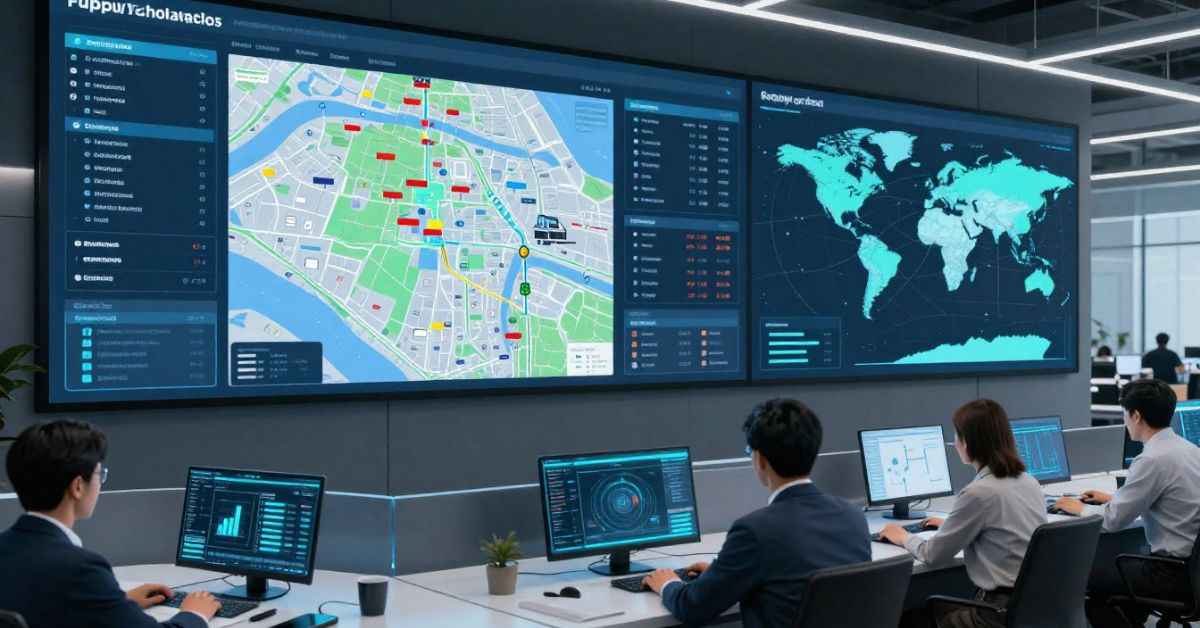
According to the latest technology trends in supply chain innovation (2025), businesses are no longer relying on traditional logistics alone, they are adopting smarter, data-driven systems that integrate AI, automation, and human insight.
In today’s rapidly evolving global economy, supply chains have the potential to significantly impact a business’s success. Delays, inaccurate forecasting, rising transportation costs, and inventory mismanagement create major losses every year. This is where logisths comes in a smarter, technology-driven approach to managing supply chains. Logisths combines data analytics, digital tools, automation, and human decision-making to move goods faster, reduce disruptions, and improve planning accuracy.
Unlike conventional logistics, which focuses mainly on transportation and storage, this modern approach creates an intelligent ecosystem. It connects warehouses, suppliers, transport providers, and customers in real time. This comprehensive guide explains what it is, how it works, why logisths matters in 2026, and how businesses can implement it successfully.
What Is Logisths?
Logisths is a smart supply chain management approach that integrates technology, real-time data, and human intelligence to optimize the movement, storage, and planning of goods.
At its core, this concept represents the evolution of logistics into a connected, intelligent system. Instead of reacting to problems, businesses predict and prevent them.
Logisths Key Components
- Real-time tracking systems
- Predictive analytics
- AI-powered demand forecasting
- Cloud-based supply chain platforms
- Human strategic oversight
According to a 2024 report by McKinsey & Company, companies using advanced digital supply chain tools reduced operational costs by up to 30% and improved service levels by 20%.
Unlike older systems that operate in silos, this approach ensures all stakeholders from suppliers to retailers operate on shared, real-time data.
The Technology Behind Modern Smart Supply Chains
The foundation of intelligent supply management lies in advanced technologies. These tools convert unprocessed data into insights that can be put to use.
Core Technologies
- Artificial Intelligence (AI) Predicts demand patterns and identifies risks
- Internet of Things (IoT) Sensors track shipments and warehouse conditions
- Blockchain Enhances transparency and traceability
- Robotics & Automation Speeds up warehouse operations
- Cloud Computing Enables centralized data access
Key Technologies and Their Functions
| Technology | Primary Function | Business Impact |
| AI & ML | Demand forecasting, risk prediction | Reduced stockouts |
| IoT Sensors | Real-time shipment tracking | Improved visibility |
| Blockchain | Secure transaction records | Increased trust |
| Robotics | Automated picking and packing | Faster fulfillment |
| Cloud Platforms | Data integration across locations | Better coordination |
How It Differs from Traditional Logistics
Traditional logistics focuses on transportation, warehousing, and distribution. Logisths is largely reactive. Modern intelligent systems are proactive.
Traditional Logistics vs. Smart Supply Chain Systems
| Feature | Traditional Logistics | Smart System Approach |
| Data Usage | Historical reports | Real-time analytics |
| Decision Making | Manual & reactive | AI-assisted & predictive |
| Visibility | Limited tracking | End-to-end transparency |
| Risk Management | Problem-solving after disruption | Predictive risk mitigation |
| Efficiency | Process-based | Optimization-based |
Traditional Logistics vs Smart Supply Chain Systems
Characteristic: Conventional Logistics The Smart System Method Data Use: Real-time analytics and historical reporting Making Decisions: AI-assisted manual, reactive, and predictive visibility End-to-end openness and limited tracking Risk management: Resolving issues following a disruption Predictive risk reduction: Process-based, optimization-based, and efficient.
For example, if a port closure is predicted due to weather data, predictive tools reroute shipments automatically before delays occur. That shift from reaction to prediction defines the new era.
Key Benefits for Businesses
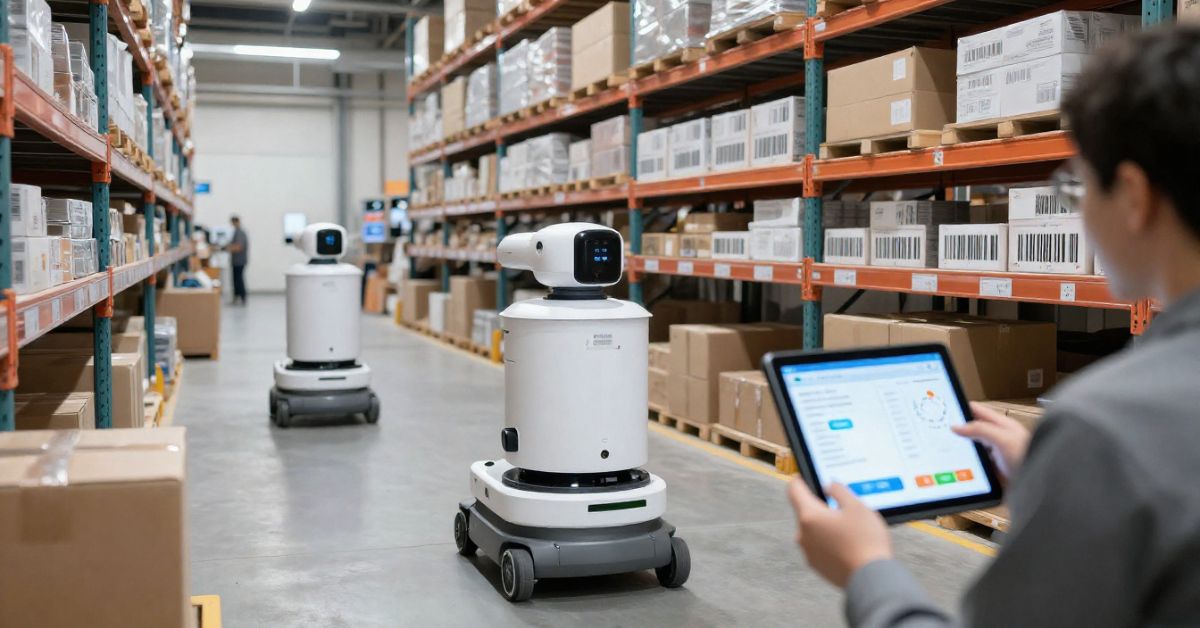
Companies adopting this model experience measurable improvements.
- Faster Delivery Times: Real-time tracking and dynamic routing reduce transit delays.
- Cost Reduction: Optimized inventory and transportation cut unnecessary expenses.
- Improved Forecast Accuracy: AI-powered demand planning reduces overstock and stockouts.
- Better Customer Satisfaction: Accurate delivery estimates improve trust and loyalty.
- Sustainability Gains: Smart route planning lowers fuel usage and carbon emissions.
According to the U.S. Department of Transportation , digital freight optimization reduces fuel consumption by up to 15%. Profitability and competitiveness are directly impacted by these advantages.
Real-World Applications & Industry Examples
Many industries are already using intelligent supply management systems.
Retail
Retailers use predictive analytics to manage seasonal demand spikes.
Healthcare
Hospitals track medical supplies in real time to avoid shortages.
Manufacturing
Factories monitor raw material flow to prevent production downtime.
E-commerce
Companies use automated fulfillment centers for same-day delivery.
Case Example (2025)
A global electronics brand reduced inventory holding costs by 22% after integrating AI-driven demand forecasting across its regional warehouses.
This shows that technology integration isn’t theoretical, Logisths produces measurable ROI.
Data-Driven Decision Making in Supply Chains
Data is the engine behind intelligent operations.
Types of Data Used
- Sales trends
- Weather patterns
- Traffic data
- Supplier performance metrics
- Customer purchasing behavior
Advanced analytics platforms transform this data into predictive models.
For example:
- If historical data shows demand spikes before holidays, production increases automatically.
- If traffic congestion is detected, delivery routes adjust in real time.
The result? Fewer delays and smarter inventory positioning. Companies that fail to leverage data often operate blindly in volatile markets.
Challenges and Risks to Consider
While benefits are significant, implementation comes with challenges.
Common Barriers
- High initial investment
- Data integration complexity
- Cybersecurity risks
- Employee resistance to change
- Vendor compatibility issues
Cybersecurity is particularly critical. According to IBM’s 2024 Cost of a Data Breach Report, supply chain attacks increased by 26% year-over-year.
Mitigation strategies include:
- Multi-layer security protocols
- Staff training programs
- Gradual digital transformation
Ignoring these risks can offset potential gains.
Implementation Strategy for Companies
Adopting this system requires strategic planning.
Step-by-Step Framework
Audit Current Processes:
Identify inefficiencies and data gaps.
Invest in Scalable Technology :
Choose platforms that integrate with existing systems.
Train Employees:
Technology works best when teams understand it.
Start Small:
Pilot programs reduce risk before full rollout.
Measure KPIs:
Track delivery times, costs, and forecasting accuracy.
Organizations that rush implementation without planning often face delays and cost overruns.
Future Trends (2026 and Beyond)
Supply chains are becoming increasingly autonomous.
Emerging Trends
- AI-driven autonomous warehouses
- Drone deliveries
- Digital twins for supply simulation
- Sustainable logistics platforms
- Hyper-personalized fulfillment systems
Gartner predicts that by 2027, over 75% of large enterprises will use AI-driven supply chain analytics. Sustainability will also become mandatory rather than optional, driven by ESG regulations. The integration of environmental monitoring tools will play a larger role in global trade compliance.
Why Human Intelligence Still Matters
Despite automation, humans remain essential. AI identifies patterns, but humans:
- Make ethical decisions
- Negotiate supplier contracts
- Respond to unpredictable geopolitical events
- Design strategic supply chain models
The smartest systems combine technology with experienced professionals. As a supply chain consultant with over a decade of industry experience, I’ve seen that technology amplifies human capability, logisths does not replace it. The balance between digital tools and critical thinking ensures long-term resilience.
FAQs
What does “logistics” mean in simple terms?
It’s a smart, technology-powered way to manage supply chains more efficiently.
How is it different from traditional logistics?
It uses real-time data and AI to predict and prevent problems instead of reacting to them.
Is it expensive to implement?
Initial costs can be high, but long-term savings usually outweigh the investment.
Which industries benefit the most?
Retail, manufacturing, healthcare, and e-commerce see major advantages.
Does it replace human workers?
No, it enhances human decision-making with better data and automation.
Conclusion
Supply chains are no longer just operational systems, they are strategic assets. Businesses that rely on outdated, reactive logistics methods risk delays, higher costs, and customer dissatisfaction.
Logisths represents the intelligent evolution of supply chain management. By integrating AI, real-time data, automation, and human insight, companies can predict disruptions, optimize operations, and deliver faster than ever before. The future belongs to organizations that combine technology with strategic thinking.
